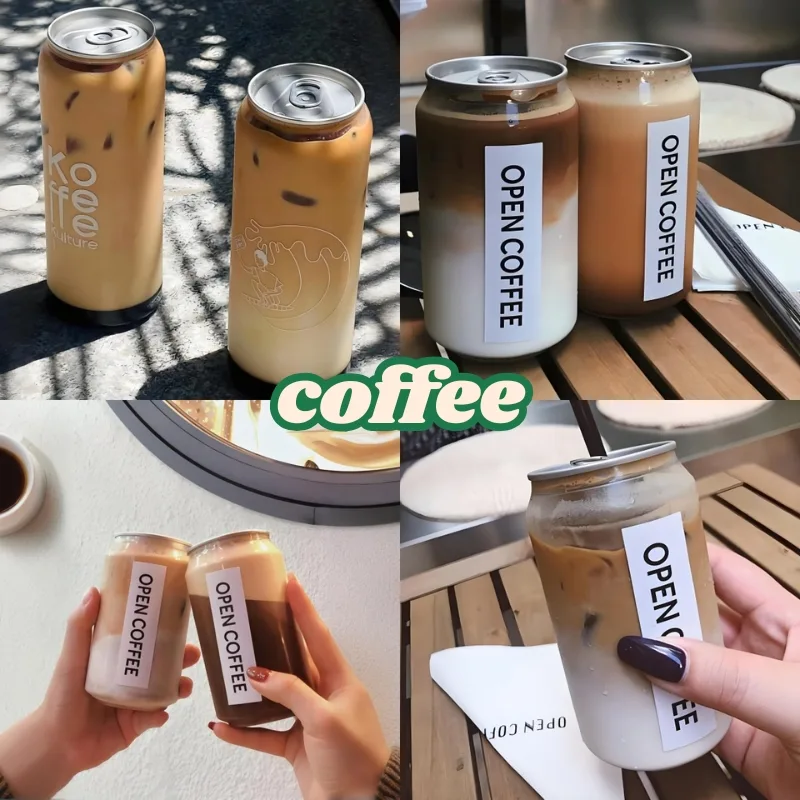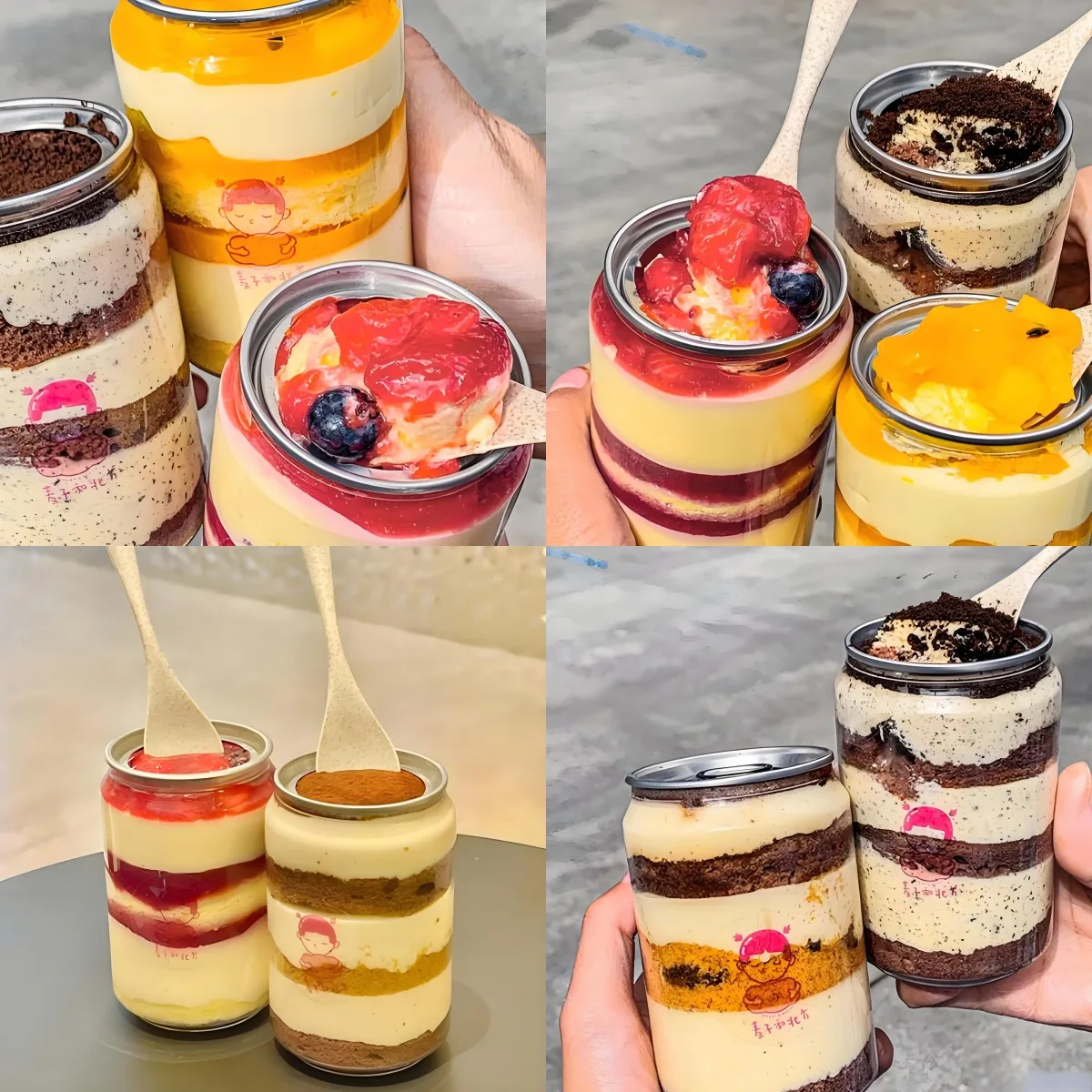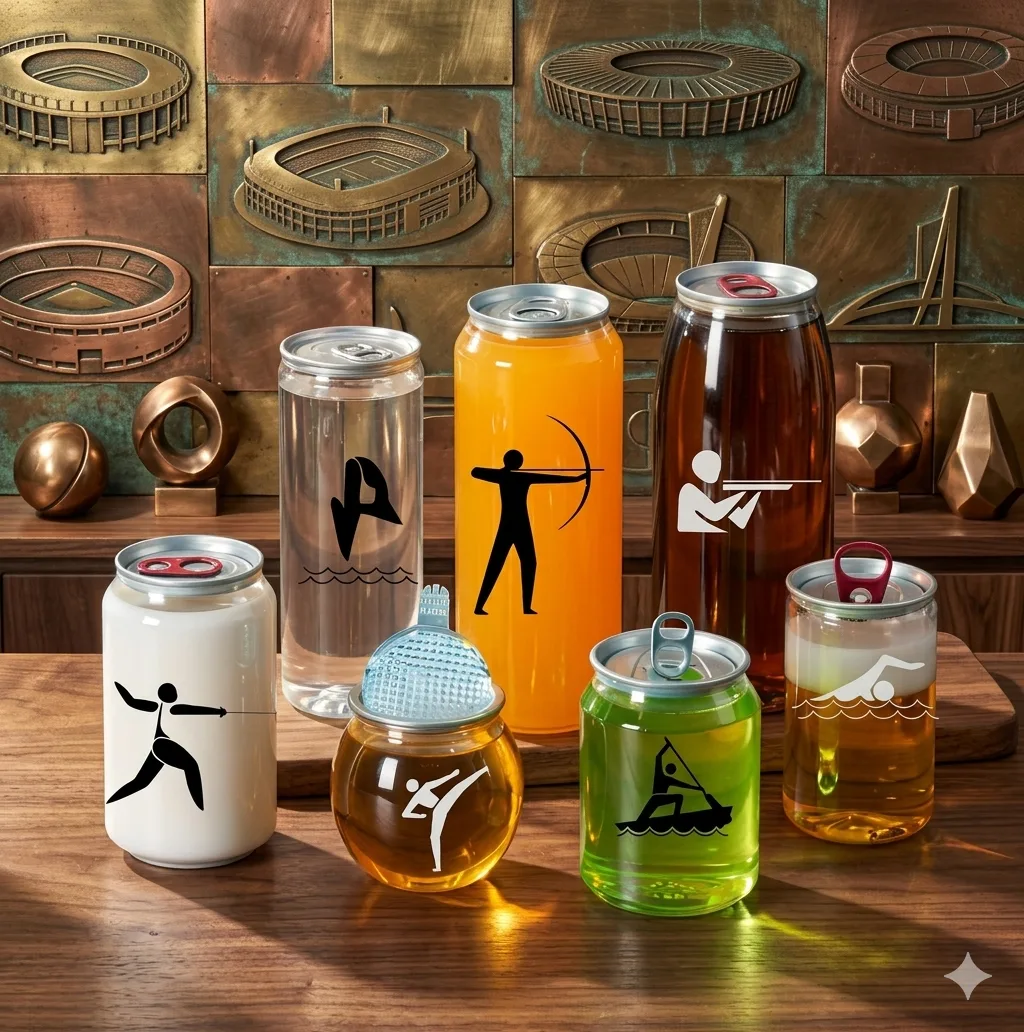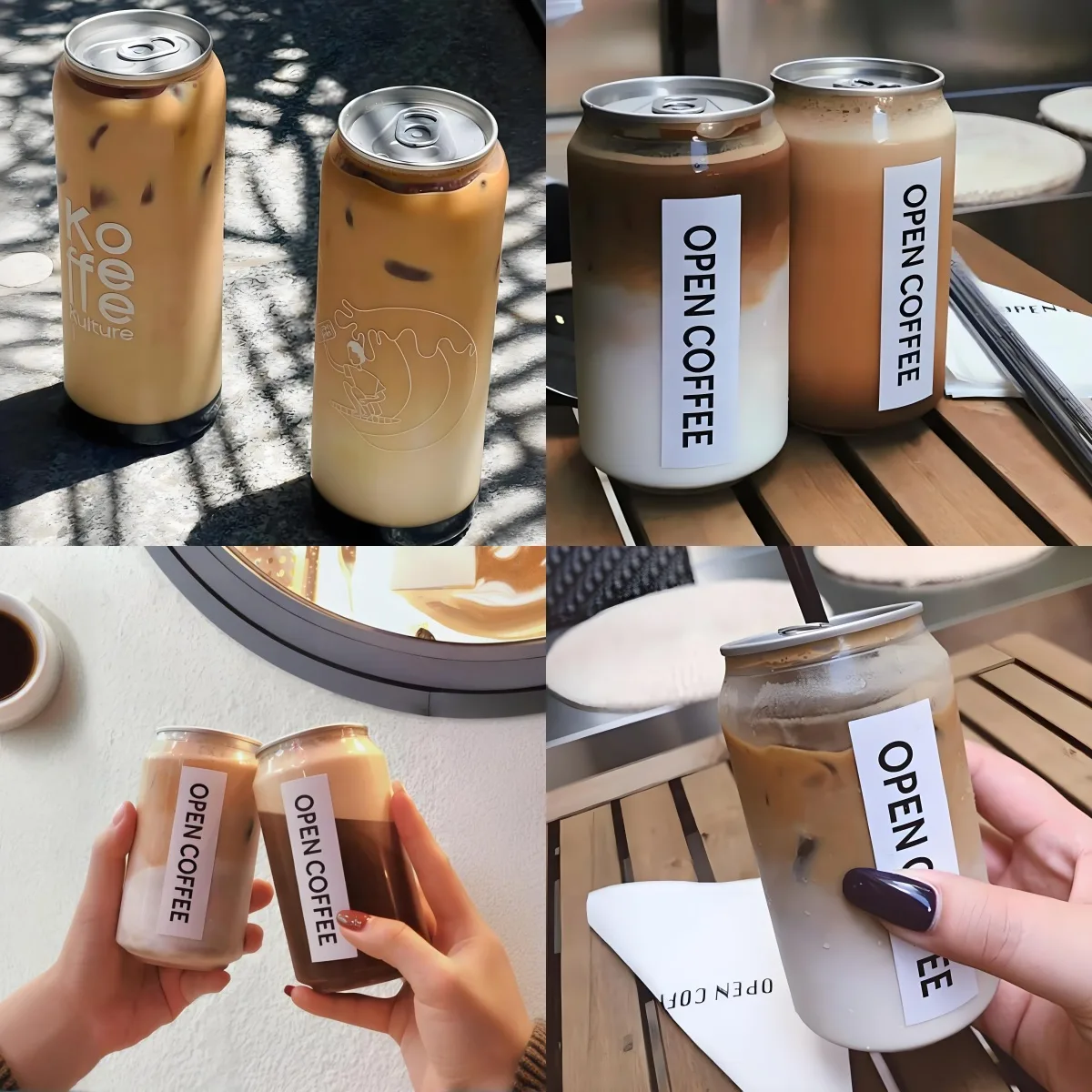
Let’s get one thing out of the way early: the best PET can in the world, printed badly, looks worse on a shelf than a generic aluminum can. You picked a transparent PET can because you want the product to sell itself. But you still need a brand name, an ingredient list, a barcode, a production date — something has to go on the container. How you print it, how much you spend, and what you end up with visually — there’s more nuance here than most people expect.
Below we’ll walk through the four main decoration methods. No theory — just what actually happens on the production floor.
Shrink Sleeves: The Most Common Choice (But Most People Use Them Wrong)
How it works: Your artwork gets printed onto a PVC or PET film. That film sleeve slides over the can, then passes through a heat tunnel where it shrinks tight against the can body. The result is 360-degree coverage.
The good parts:
- Color vibrancy is excellent. Complex illustrations, photographic-quality imagery, gradient backgrounds — shrink sleeves handle all of it.
- Works on virtually any can shape. Cylindrical, tapered, contoured — the film’s stretch accommodates almost anything.
- No real minimum order quantity for digitally printed sleeves. Need 500 units? You can do it.
The downsides:
- The single biggest mistake we see: brands wrap the entire can. You paid for a transparent PET container, and then you covered every square inch of it with a label. At that point, why not just use an aluminum can?
- Adds an extra material layer, which means an extra separation step in the recycling stream.
- Poor application leads to wrinkles, edge lifting, and distortion — especially in environments with significant temperature swings.
How to do it right: Use a “window” design. Cover 60% to 70% of the can surface and leave a transparent panel where the consumer can see the actual product inside. For bubble tea PET cans, leave the bottom third clear so people can see the tapioca pearls and tea color. That visual is more convincing than any product photo you could print.
The global bubble tea market hit $2.99 billion in 2026 with a 9.56% CAGR. Within that category, transparent PET cans are growing especially fast — consumers want to see the pearls. Don’t hide them.
Digital Direct Printing: Maximum Flexibility for Small Batches
How it works: Industrial-grade inkjet printheads spray UV-curable ink directly onto the PET can surface. Think of it as a commercial-scale inkjet printer — but for cylindrical containers.
The good parts:
- Zero plate costs. Send the design file today, print samples tomorrow. Change the artwork on Wednesday and run a new version on Thursday.
- Ideal for small runs — samples, limited editions, event giveaways, market testing.
- Supports variable data. Every can in the batch can have a different design or serial number.
The downsides:
- Per-unit cost is higher than bulk methods. Once you’re into tens of thousands of units, the math stops working.
- Color gamut is narrower — you won’t get the same vividness as a good shrink sleeve.
- Ink adhesion on PET is decent but not as bulletproof as screen printing. Durability under rough handling conditions is a step down.
When to pick this: You’re a new brand. Your design isn’t finalized yet. You want to run 200 units to test the market before committing to a big order. Or you’re doing a seasonal promotion — 500 cans, one-time run. Digital direct printing makes sense for exactly those scenarios.
Hot Stamping: Small Touch, Big Perceived Value
How it works: A heated metal die presses metallic foil onto the can surface. The result is a shiny, reflective metallic finish — gold, silver, rose gold, holographic, whatever foil you spec.
The good parts:
- Looks expensive. A transparent PET can with a gold-foil logo instantly reads as premium. The difference is visceral — consumers pick it up and the perception shifts.
- Has tactile quality. The stamped area is slightly raised. You can feel it.
- Adhesion is excellent. It’s not going to peel or flake.
The downsides:
- Cost adds up. You’re paying for the die plus the per-unit stamping operation.
- Solid-color artwork only. No gradients, no fine detail, no photographic imagery.
- Extra production step means longer lead times.
Best approach: Don’t hot-stamp the entire can. Use it as an accent. A transparent PET body with a single gold foil logo, paired with a matching gold aluminum lid — the visual coherence screams premium. This is the right move for specialty coffee, high-end tea, gift sets, and any brand positioning itself above the commodity price tier.
Screen Printing: Old-School, Rock-Solid for Volume
How it works: Ink gets pushed through a mesh screen onto the can surface. One screen per color. Each color is applied as a separate pass.
The good parts:
- Thick, opaque ink laydown. Colors are dense and saturated. Coverage is excellent.
- Best adhesion of any decoration method on PET. The ink bonds aggressively to the surface.
- At high volumes, the per-unit cost is the lowest of all four methods.
The downsides:
- Screen costs are per color — four colors means four screens, and that upfront investment isn’t trivial.
- No gradients, no photo-realistic imagery. It’s flat-color territory.
- Changing your design means paying for new screens. Not ideal if you rebrand frequently.
When to pick this: Your brand identity is stable. You’re running the same one or two designs year-round. Your order quantities are in the tens of thousands. At that scale, screen printing delivers the best cost-per-can in the industry.
Quick Decision Guide
| Your Situation | Recommended Method |
|---|---|
| Sampling phase, under 1,000 units | Digital direct printing |
| Complex artwork, 5,000+ units | Shrink sleeve (with a transparent window) |
| Premium positioning, brand feel first | Transparent can + hot stamping accents |
| High-volume production, stable design | Screen printing |
| Seasonal limited edition, one-off promo | Digital direct printing or shrink sleeve |
One more thing worth factoring in: freight cost. PET cans are dramatically lighter than glass — you’ll save 30-40% on transport costs for the same container volume. That savings can offset a more expensive decoration method. You might find that upgrading from basic screen printing to a shrink-sleeve-with-window design costs more per unit, but the freight savings cover the difference — and you end up with a better-looking product at essentially the same total landed cost.
CHINPK handles all four decoration methods in-house. Send us your requirements and we’ll run the numbers on which approach gives you the best value at your volume. Want to see physical samples before deciding? Our product page has real photos of every finish.